A lot of people approach a soft play project like shopping: pick a design, choose colors, place an order. But the truth is weirdly more interesting. A soft play area is a living system—kids test it like tiny engineers with unlimited energy, parents judge it like safety inspectors, and operators experience it like a daily operations exam. That’s why choosing the right soft play manufacturer isn’t a supplier decision. It’s a business decision.
This is an original, practical look at what a real soft play manufacturer actually builds—and why it matters.
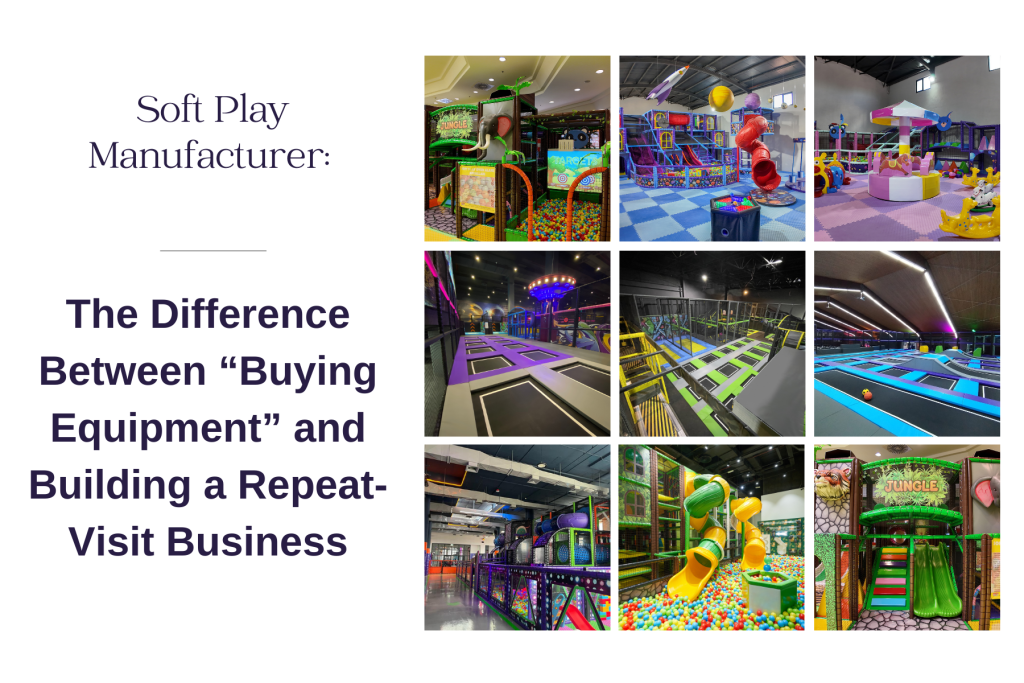
1) Soft Play Is Controlled Chaos (And Good Design Tames It)
Children don’t move in straight lines. They loop, chase, double back, climb, hide, and sprint to whatever looks most exciting. A professional soft play manufacturer designs for this reality.
The goal isn’t to create the most equipment—it’s to create the best play flow:
- routes that distribute traffic instead of bottling it,
- transitions that reduce collisions,
- visible zones where parents feel calm,
- “discovery moments” that keep kids exploring longer.
When flow is right, the venue feels bigger, safer, and more enjoyable—even at peak hours.
2) Parents Are the Real Customers (So Trust Is the Product)
Kids create desire, but parents make decisions. And parents don’t “buy slides.” They buy:
- safety,
- cleanliness,
- comfort,
- and the feeling that their child is happy without stress.
A strong soft play manufacturer supports that trust by designing:
- clear sightlines for supervision,
- smart age zoning (especially a dedicated toddler zone),
- easy-to-clean surfaces and fewer blind corners,
- entry/exit logic that feels controlled and organized.
When parents trust the space, they return. When they return, your business becomes stable.
3) Durability Is Profit (The Hidden Math of Soft Play)
Many soft play areas look great on opening day. The difference shows after months of real use.
A serious soft play manufacturer thinks like an operator:
- Where will wear happen first?
- Which corners will get the most friction?
- What needs to stay tight, aligned, and clean over time?
Quality choices—foam density, stitching strength, PVC durability, net tension stability, connector reliability—don’t just prevent damage. They reduce downtime, complaints, and refunds.
Less downtime = more operating hours. More operating hours = more revenue. Boring, yes. Powerful, absolutely.
4) Custom Design Isn’t “Theme”—It’s Strategy
Custom design is often misunderstood as “make it look different.” Real custom design is about making the playground fit your space and your business model.
A good manufacturer adapts to:
- ceiling height and columns,
- emergency exits and walkways,
- seating and café placement,
- your target age group and expected traffic.
A smart custom layout can increase usable capacity without adding square meters—simply by removing bottlenecks and improving circulation.
5) Installation and Support: Where Professionals Show Themselves
A soft play area is built twice: once in engineering, once on site. The best manufacturers deliver:
- clear drawings and structured revisions,
- organized packaging and installation planning,
- experienced installers who protect the design logic,
- a proper handover with checks and guidance.
After opening, real support matters even more. A soft play manufacturer worth partnering with provides spare parts, maintenance routines, and technical help—because soft play is a living system, not a one-time delivery.
Conclusion
A soft play manufacturer isn’t just a producer of colorful modules. The right one is a builder of trust, flow, and long-term stability. They turn a physical play structure into a repeat-visit engine—one that keeps kids excited, parents comfortable, and operators in control.
When you choose a manufacturer, you’re not choosing a design. You’re choosing how your business will feel—every day—